BLOG
Can ANPR Cameras Detect 3D Number Plates in the UK?
Aug
Introduction
If you’ve ever wondered whether ANPR (Automatic Number Plate Recognition) systems can read 3D or 4D number plates, the answer is yes — they can. Despite common myths, raised characters do not stop these systems from working. In this article, we’ll explore how ANPR interacts with 3D plates, why they remain compliant, and what issues can affect detection.
How ANPR Reads 3D and 4D Plates
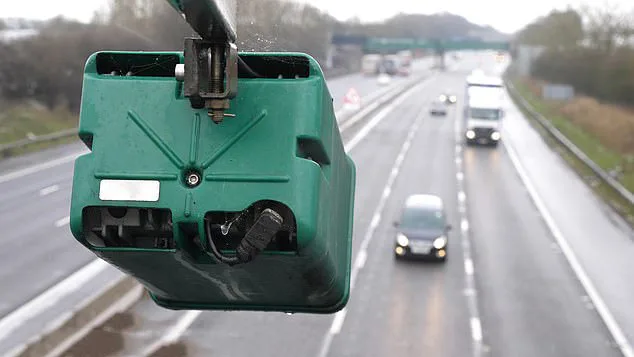
ANPR systems use advanced cameras and optical character recognition (OCR) software to capture number plate details. These systems rely on contrast, clarity, and reflectivity to read registrations. The raised surface of a 3D or 4D plate does not confuse the technology because ANPR focuses on the shape and spacing of the characters, not their depth.
Additionally, most ANPR cameras use infrared lighting, which helps them capture plates clearly in both day and night conditions. As long as the plate meets the legal font, spacing, and reflective requirements, the system can detect it without any trouble.
Why 3D Plates Don’t Avoid Detection
Some people believe that raised characters might trick or block cameras. In reality, 3D and 4D plates are designed for style rather than to avoid detection. When produced by a legitimate, DVLA-registered supplier, these plates are made to comply with the BS AU 145e standard. That means they are reflective, readable, and properly spaced — exactly what ANPR systems are built to detect.
In short, raised characters alone cannot prevent speed cameras, congestion charge cameras, or ULEZ cameras from reading your registration.
Caveats: When Detection Can Fail
Although 3D plates generally work fine with ANPR, there are exceptions. If the characters are made with excessive depth or unusual materials, they might cast shadows or distort the reflective surface, making them harder for the camera to read.
Another issue comes from illegal “ghost plates,” which are specifically designed to obscure or block detection. These plates often use reflective or camouflaging materials to avoid being picked up by cameras. They are illegal in the UK, and using them can lead to fines, seizure of plates, and even prosecution.
Quick Reference Table: ANPR & 3D Plate Compatibility
| Criteria | Does ANPR Handle It? |
|---|---|
| Raised (3D/4D) Characters | Yes — depth doesn’t interfere with detection |
| Reflectivity (BS AU 145e) | Must comply to ensure readability |
| Excessive Depth | May impair readability and get flagged |
| Ghost/Obscuring Materials | No — illegal and likely to evade detection |
| Legitimate Plates by RNPS | Yes — if standards are met |
Final Takeaway
Yes, ANPR cameras can detect 3D and 4D number plates as long as they meet all legal requirements. Raised characters do not affect detection when plates are made to the BS AU 145e standard. However, using overly deep designs or illegal “ghost” materials can cause issues, attract police attention, and lead to penalties.
If you’re buying 3D plates, choose a registered supplier and make sure they follow the correct standards. That way, you can enjoy a stylish look without risking legal or technical problems.
